Gut Microbes of Mice and Humans: Avoiding Non-Nutritive Sweeteners
Researchers have found that Artificial Sweetners Cause Gut Microbe Changes When Previously Thought to Have No to Low Impact
Alex Barson /
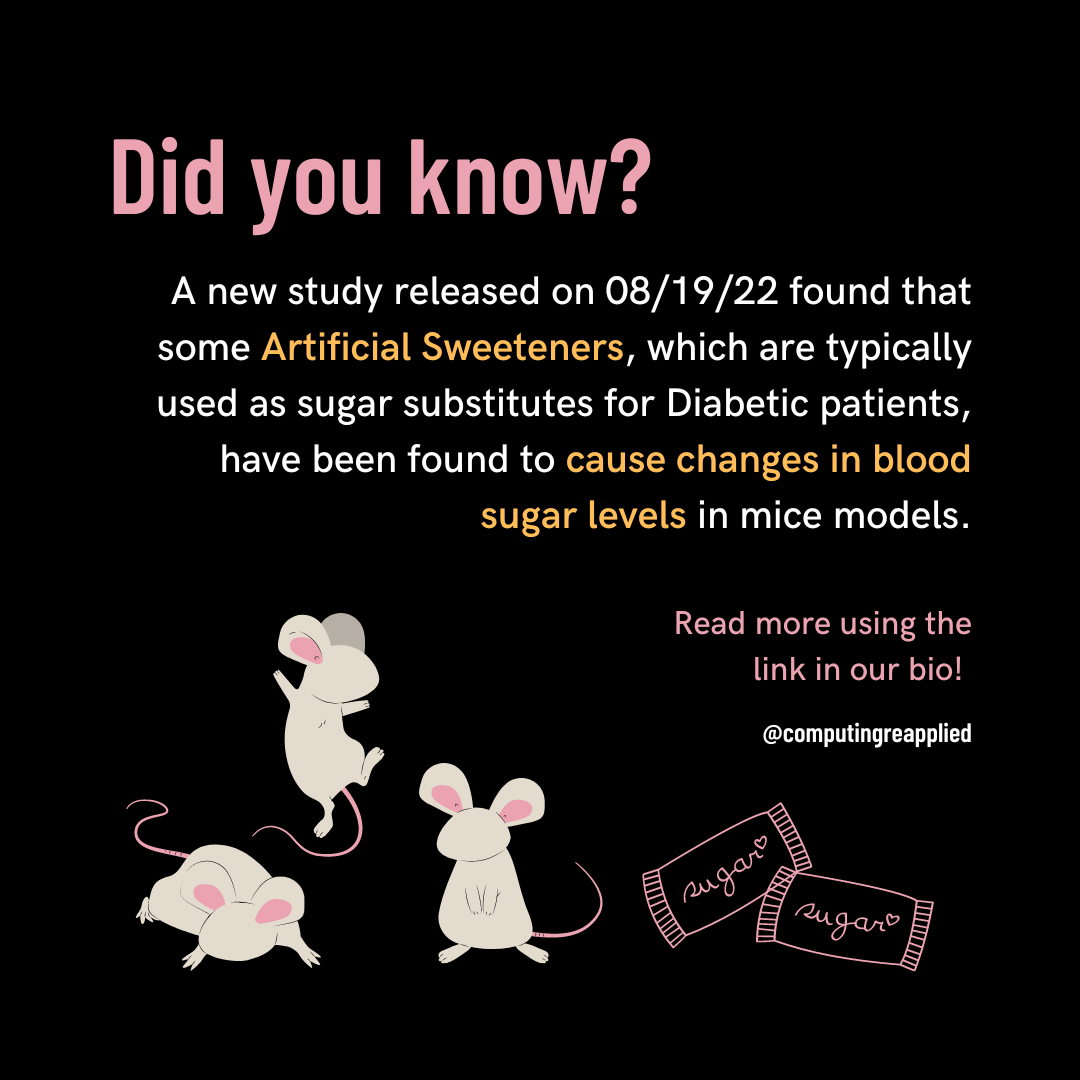
A study at the Weizmann Institute of Science in Germany (early 2014) is just now finding its lab results on the gut microbiomes of mice to be surprisingly congruent with issues found in the human gut with relation to non-nutritive sweeteners.
These sweeteners are classified by their status as a non-inert source of sweetness; which means they are something un-reproducible by the human body in any quantity. To add to the possible severity of this recent study is the fact that non-nutritive sweeteners have been around since as early as "the late 1800's" [1] as a way to maintain the sweetness of food without the drawbacks found in sugar consumption.
The study itself focused on two control groups being one that strictly avoided non-nutritive sweeteners, and a cohort of those who included them in their lives. The research found that, similar to mice, there were "very distinct changes in the composition and function of gut microbes, and the molecules they secrete into peripheral blood" [1].
As with anything of this size and variety, there will be variables that cannot be accounted for. But the findings for the effect on the glycemic index of humans and mice are very hard to argue.
Source:
[1] Cell Press. "Non-nutritive sweeteners affect human microbiomes and can alter glycemic responses." ScienceDaily. ScienceDaily, 19 August 2022. <www.sciencedaily.com/releases/2022/08/220819112526.htm>.