Plant Based Nutrition: where "eat your veggies" becomes key to longevity
Recent reserach has found a correlation between eating veggies and longer life spans.
Alex Barson /
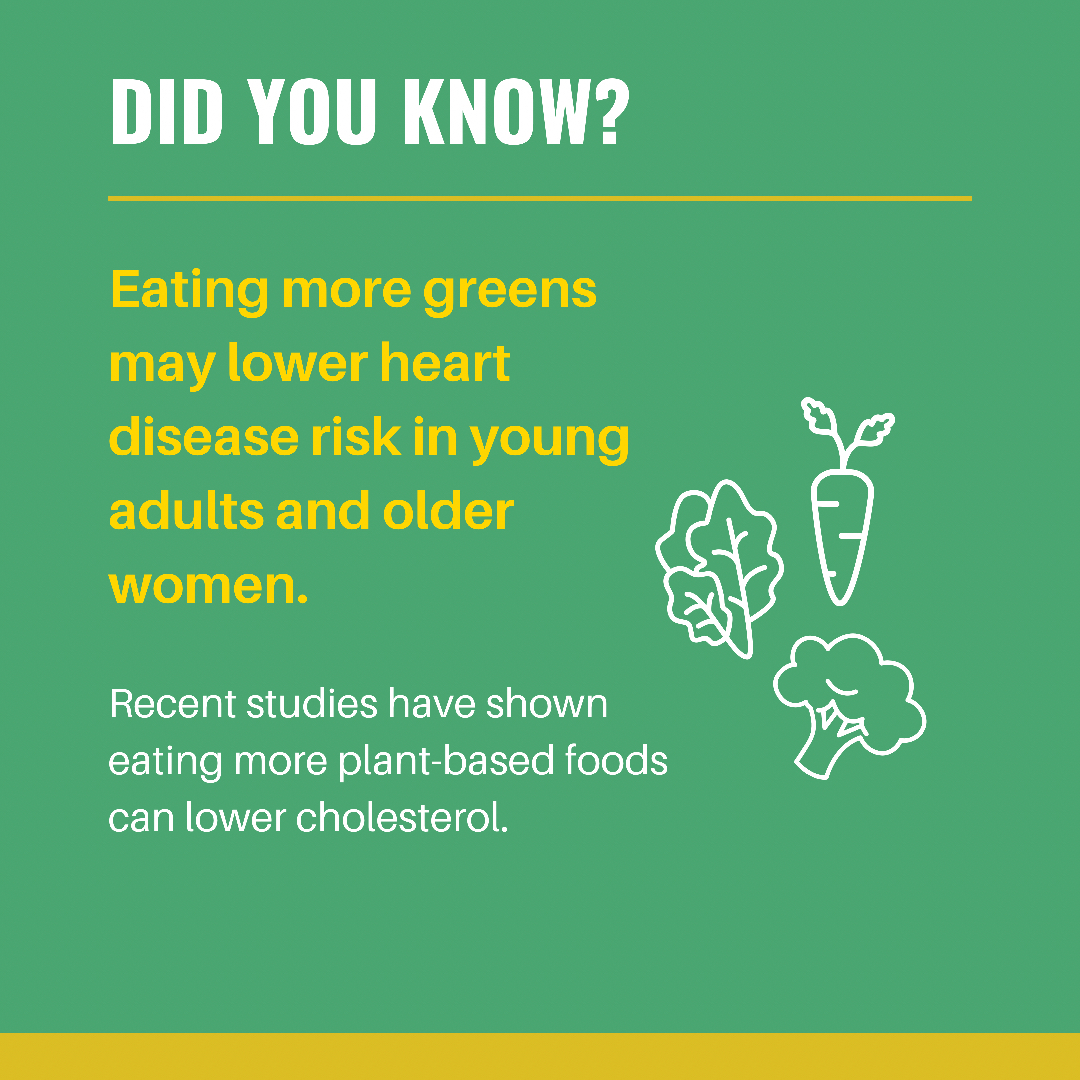
This time-tested mantra, recited over countless dinner table conversations for decades, boasts its merit in recent studies regarding, more specifically, heart health. A study conducted by Dr. Choi, PhD and postdoctoral researcher of epidemiology at the University of Minnesota's school of Public Health, showed a substantial connection between lowering the risk of cardiovascular disease in middle age by supporting young adults to follow a heavily plant centered, but balanced diet. Over a 32-year period of regular follow ups, participants who stuck to a plant centric diet were "52% less likely to develop cardiovascular disease"[1] The study of course took into consideration variables of age, sex, race, and health habits such as smoking.
Where many are skeptical is in the idea of vegetarianism or veganism, many of whom stay away from lifestyle changes so extreme due to the nature of both convenience and nutritional fullness of a diet of greater variety. But the truth is a plant centered diet doesn't necessarily mean the complete sacrifice of animal products, something most of us are simply not ready to let go of. A plant centered diet simply revolves around a reallocation of portions, and more deliberation on choice of animal products that we choose to consume.
Luckily with more information coming forward about animal products and their connection to our health, there has been a surge of products and plant-based alternatives to supplement the potential lack of valuable nutrients that we find in animal products; especially those linked to heart disease, mainly red meat. A study published as recently as 2019 in a journal titled "circulation" further enforces the narrative of these plant centric benefits. The study found that participants with high red meat consumption, when compared to a separate control group who consumed more variable proteins such as chicken, fish, soy and legume-based sources, showed higher levels of "triglyceride concentrations than the comparison diets"[2]. Also, the researchers of the same study recognized "that diets higher in high-quality plant protein sources such as legumes, soy, and nuts resulted in lower levels of both total and LDL ("bad") cholesterol compared to diets with red meat" [2]
Sources:
[1] American Heart Association. "Eating more plant foods may lower heart disease risk in young adults, older women." ScienceDaily. ScienceDaily, 4 August 2021. <www.sciencedaily.com/releases/2021/08/210804123607.htm>.
Harvard T.H. Chan School of Public Health. "Substituting healthy plant proteins for red meat lowers risk for heart disease." ScienceDaily. ScienceDaily, 9 April 2019. <www.sciencedaily.com/releases/2019/04/190409141808.htm>.